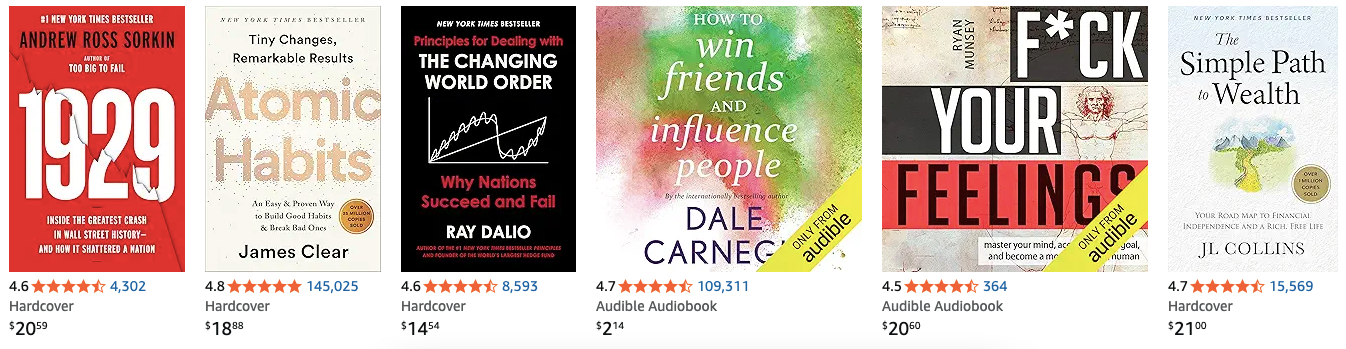
How to Start Investing for Beginners: A Step-by-Step Guide
Many people believe investing is only for the wealthy and no nothing about how to start investing.. They assume you need thousands of dollars before opening your first investment account. The truth is much simpler: you can begin building wealth with surprisingly small amounts of money.
The hardest part isn’t choosing the perfect investment—it’s taking the first step.
In this guide, you’ll learn exactly how to start investing for beginners with little money, understand the basic investment options available, avoid common mistakes, and create a simple investing plan that can grow your wealth over time.
Why Most People Never Start Investing
Ask someone why they haven’t started investing, and you’ll often hear one of these responses:
- “I don’t have enough money.”
- “I don’t know where to begin.”
- “The stock market seems too risky.”
- “I’ll start when I earn more.”
Unfortunately, waiting is often the most expensive mistake.
The earlier you begin investing, the more time your money has to compound. Even modest monthly investments can potentially grow into substantial wealth over several decades.
Saving vs. Investing
| Saving | Investing |
|---|---|
| Low risk | Higher long-term growth potential |
| Short-term goals | Long-term wealth building |
| Emergency fund | Retirement & financial independence |
| Accessible cash | Value fluctuates over time |
Before investing, it’s generally wise to build an emergency fund and create a realistic monthly budget. Once those essentials are in place, investing can become one of the most effective tools for growing wealth over the long term.
The InvestingLab Beginner Investing Roadmap
- Create a monthly budget.
- Build an emergency fund.
- Pay off high-interest debt.
- Contribute enough to receive any employer retirement match.
- Open an investment account.
- Invest consistently every month.
- Increase contributions as your income grows.
- Stay invested for the long term.
How Much Money Do You Need to Start Investing?
Less than most people think.
Many brokerage platforms allow investors to start with as little as $10–$100. The amount matters far less than developing the habit of investing consistently.
For example:
- $50 per month
- $100 per month
- $250 per month
- $500 per month
Consistency often has a greater impact than trying to invest a large lump sum once.
Best Investments for Beginners
Most beginners should focus on simplicity rather than chasing the latest investment trend.
Index Funds
Index funds provide exposure to hundreds of companies in one investment, helping reduce the risk of owning individual stocks.
Exchange-Traded Funds (ETFs)
ETFs offer diversified investments that trade like stocks and often come with low management fees.
Employer Retirement Plans
If your employer offers a retirement plan with matching contributions, understand how it works and whether contributing enough to receive the full match fits your financial situation.
Individual Retirement Accounts (IRAs)
IRAs can provide tax advantages for retirement savings depending on your circumstances.
Why Diversification Matters
One of the biggest mistakes beginners make is putting all their money into a single company or investment.
Diversification spreads your money across multiple investments, reducing the impact if one investment performs poorly.
Common Investing Mistakes
- Waiting too long to start.
- Trying to time the market.
- Buying investments based on social media hype.
- Ignoring investment fees.
- Selling during market downturns out of fear.
- Investing money needed for short-term expenses.
- Skipping an emergency fund.
How Compound Growth Works
Compound growth allows your investment earnings to generate additional earnings over time.
The earlier you start, the more years compounding has to work.
This is why investing regularly—even with smaller amounts—can potentially outperform waiting years to invest larger sums.
Track Your Financial Progress
Successful investing isn’t just about buying investments.
You should also monitor your overall financial health by tracking:
- Net worth
- Monthly cash flow
- Emergency savings
- Retirement progress
- Debt reduction
Free InvestingLab Calculators
- Retirement Planner Calculator
- Net Worth Calculator
- Budget Planner Calculator
- Debt vs Invest Calculator
- Personal Finance Tools
Frequently Asked Questions
Can I start investing with only $100?
Yes. Many investment platforms allow beginners to start with relatively small amounts. The key is consistency rather than the initial amount.
Should I pay off debt before investing?
It depends on the type and interest rate of the debt. High-interest debt often deserves priority, while some people may also contribute enough to receive an employer retirement match if available. Evaluate your individual situation before deciding.
Is investing risky?
All investments carry some level of risk. Diversification, a long-term perspective, and investing only money you won’t need in the near future can help manage that risk.
Final Thoughts
You don’t need to be wealthy to become an investor.
You simply need a plan.
Start by creating a budget, building an emergency fund, eliminating expensive debt, and investing consistently. Small actions taken today can have a meaningful impact on your future financial security.
If you’re ready to see how today’s investments could grow over time, use the free InvestingLab Retirement Planner Calculator to map out your long-term goals.