
FIFA World Cup 2026 Budget Planner: How Fans Blow $5,000 Fast
The match ticket is only the beginning. The real money trap starts when hotels, flights, food, parking, merch, fees, and credit-card spending stack up.
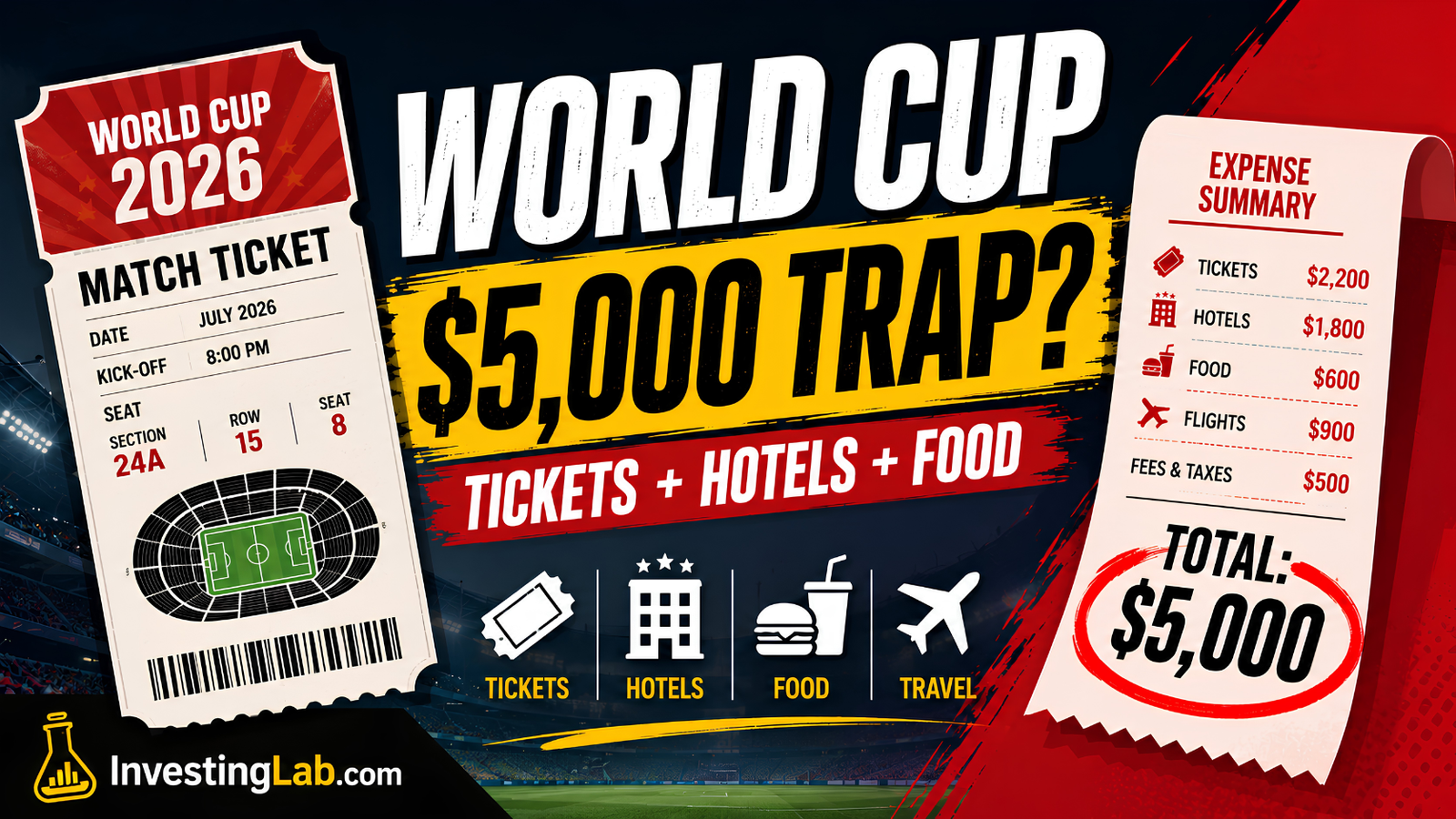
The FIFA World Cup 2026 budget planner conversation is not just about football. It is about emotional spending, scarcity, travel costs, and how a once-in-a-lifetime event can turn into a serious personal finance mistake.
Many fans focus on the ticket price first. That makes sense because the ticket is the emotional purchase. But the ticket is rarely the full cost. A World Cup trip can quickly include hotels, flights, food, parking, local transportation, jerseys, platform fees, taxes, exchange rates, and credit-card interest.
FIFA’s official World Cup 2026 pages confirm that the tournament is spread across the United States, Canada, and Mexico, which means many fans will need to plan travel carefully. Source: FIFA Host Cities
AP News reported that initial World Cup 2026 ticket prices were expected to start around $60 for some group-stage tickets, with much higher prices for premium and later-stage matches. Source: AP News
Watch the Video: FIFA World Cup 2026 Money Trap
How Fans Blow $5,000 in Minutes
The money trap happens fast because fans often buy emotionally. First comes the ticket. Then the hotel. Then the flight. Then parking, rideshare, food, drinks, merchandise, and emergency costs. By the time the trip is fully planned, the real total can look nothing like the original ticket price.
A realistic World Cup fan budget may include:
- Match tickets: face value, resale price, taxes, and platform fees.
- Hotel or short-term rental: often higher during major events.
- Flights or gas: especially if the match is in another city or country.
- Food and drinks: airport meals, stadium food, restaurants, and snacks.
- Parking and transit: official parking, public transit, shuttle, rideshare, or taxi costs.
- Merchandise: jerseys, scarves, souvenirs, and team gear.
- Exchange rates: relevant for fans crossing borders between Canada, the U.S., and Mexico.
- Emergency buffer: missed transportation, delays, price changes, or last-minute expenses.
The most dangerous part is that these costs do not feel like one big decision. They feel like several smaller decisions made quickly under excitement and FOMO.
The Ticket Is Not the Total Cost
The biggest budgeting mistake is treating the ticket price as the event price. A $300 ticket is not a $300 trip if you also need a hotel, gas, flights, food, and transportation.
FIFA also created official parking-pass pages for the tournament, which shows how even match-day logistics can become part of the fan budget. Source: FIFA Parking Passes
This is why the better question is not, “Can I afford the ticket?” The better question is:
Can I afford the entire trip without using credit-card debt?
Sample World Cup 2026 Fan Budgets
1. Local Fan Budget
- One match ticket or fan festival
- Public transit or local parking
- Food and drinks
- Small merch budget
2. Mid-Range Fan Budget
- One match ticket
- One or two hotel nights
- Gas, train, or short flight
- Meals, parking, transit, and merch
3. Expensive Fan Budget
- Higher-priced ticket or resale ticket
- Flights for multiple people
- Several hotel nights
- Rideshare, parking, food, drinks, jerseys, and souvenirs
- Credit-card interest if the trip is financed
How to Avoid the World Cup Money Trap
- Set a total spending cap before opening the ticket page.
- Price hotels and flights before buying tickets.
- Add a 15–20% emergency buffer.
- Set a hard limit for food and merchandise.
- Avoid using credit-card debt for FOMO spending.
- Build the full trip budget first, then decide.
Plan Your World Cup Budget First
Before buying tickets or booking hotels, use the free InvestingLab Budget Planner Calculator to see whether the full trip fits your income and savings goals.
FAQ: FIFA World Cup 2026 Budget Planner
How much could a World Cup 2026 trip cost?
Why is the World Cup a money trap?
Should I use a credit card for World Cup tickets?
Disclaimer: This article is for educational purposes only and is not financial, travel, ticketing, legal, or tax advice. Prices, ticket availability, travel costs, and exchange rates can change. Always check official sources and make decisions based on your own budget.